Best Physiotherapist for Neck Pain in Greater Noida | Neck Pain Treatment at ISPC Clinics
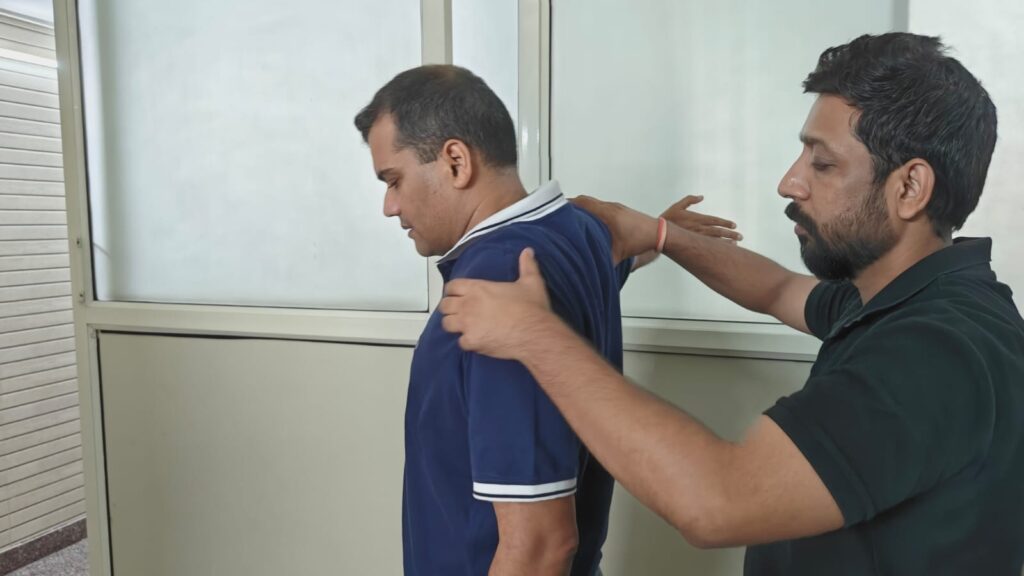
Neck pain has become a common concern due to prolonged screen time, poor posture, sedentary work habits, and stress. Many people in Greater Noida frequently search for the best physiotherapist near Pari Chowk or a reliable neck pain physiotherapist near me when stiffness, cervical discomfort, or headaches begin to interfere with daily life. Conditions such as cervical spondylosis, cervical disc issues, cervical radiculopathy, and posture-related strain can lead to persistent pain, limited neck movement, and radiating symptoms in the shoulders or arms. Effective neck pain treatment in Greater Noida often focuses on identifying the root cause of the problem and addressing it through structured rehabilitation rather than relying only on temporary pain relief methods.
Cervical Pain Doctor in Greater Noida: Dr. Rahul Tyagi is one of the top experts of neck pain-related conditions in Alpha 2.
Neck pain is one of the most common musculoskeletal problems affecting people of all age groups. With increasing screen time, sedentary work routines, and poor posture habits, many individuals experience stiffness, discomfort, or persistent pain in the neck region. While mild neck pain may resolve on its own, recurring or chronic neck pain often requires proper treatment and rehabilitation.
Neck Pain and Physiotherapy Treatment: Causes, Symptoms, and Recovery
Physiotherapy plays a crucial role in managing neck pain by addressing the underlying causes, improving mobility, and strengthening the muscles that support the cervical spine. Unlike temporary solutions such as painkillers, physiotherapy focuses on long-term recovery and prevention of recurring pain.
This article explores the causes of neck pain, common symptoms, and how physiotherapy helps restore normal neck function.
Why does cervical pain or neck pain happen?
The neck, also known as the cervical spine, consists of seven vertebrae, intervertebral discs, muscles, ligaments, and nerves. It supports the weight of the head and allows a wide range of movement, including rotation, bending, and extension.
Because of its flexibility and constant use, the cervical spine is vulnerable to strain, injury, and degenerative changes. Neck pain can develop gradually due to poor posture or suddenly due to trauma or muscle strain.
In many cases, neck pain is related to muscle imbalance, joint stiffness, or nerve irritation, which can be effectively treated with physiotherapy.

What are the common causes of neck pain?
Several factors can contribute to neck pain. Identifying the root cause is essential for proper treatment and recovery.
1. Poor Posture
Poor posture is one of the leading causes of neck pain. Sitting for long hours with the head tilted forward while using computers or smartphones puts excessive stress on the cervical spine.
This condition, often called “text neck,” leads to muscle fatigue and stiffness over time.
2. Muscle Strain
Neck muscles can become strained due to sudden movements, sleeping in awkward positions, or prolonged static posture.
Muscle strain often causes tightness, soreness, and difficulty turning the head.
3. Cervical Spondylosis
Cervical spondylosis is an age-related degenerative condition affecting the discs and joints of the cervical spine. It may lead to chronic stiffness, reduced mobility, and nerve compression.
4. Herniated or Bulging Disc
Intervertebral discs act as cushions between the vertebrae. When a disc bulges or herniates, it may press on nearby nerves, causing neck pain that radiates to the shoulders or arms.
5. Stress and Muscle Tension
Emotional stress can cause muscles in the neck and shoulders to tighten, leading to tension headaches and persistent discomfort.
6. Injury or Trauma
Whiplash injuries from sudden jerking movements, accidents, or sports injuries can damage muscles and ligaments in the neck.

Common Symptoms of Neck Pain
Neck pain may present in different ways depending on its cause and severity.
Common symptoms include:
Persistent neck stiffness
Pain while turning or bending the head
Headaches originating from the neck
Shoulder or upper back discomfort
Muscle tightness in the neck and shoulders
Reduced range of motion
Tingling or numbness in arms or hands
Pain radiating from the neck to the shoulder blade
If these symptoms persist for several days or worsen with activity, professional evaluation is recommended.
How Physiotherapy Helps in Neck Pain Treatment?
Physiotherapy is widely recognized as one of the most effective non-surgical treatments for neck pain. A physiotherapist focuses on identifying the cause of pain and creating a personalized rehabilitation program.
1. Comprehensive Assessment
Physiotherapy begins with a detailed evaluation that includes:
Posture analysis
Range of motion testing
Muscle strength assessment
Spinal alignment evaluation
Movement pattern analysis
This assessment helps determine whether the pain originates from muscles, joints, discs, or nerves.
2. Pain Relief Techniques
Physiotherapists use different therapeutic modalities to reduce pain and inflammation. These techniques may include:
Electrotherapy (TENS or IFT)
Ultrasound therapy
Heat or cold therapy
Soft tissue mobilization
These treatments help relax tight muscles and improve blood circulation in the affected area.
3. Manual Therapy
Manual therapy involves hands-on techniques performed by physiotherapists to improve joint mobility and relieve stiffness.
These techniques may include:
Joint mobilization
Myofascial release
Trigger point therapy
Soft tissue manipulation
Manual therapy can significantly reduce muscle tightness and improve cervical movement.

4. Therapeutic Exercises
Exercise therapy is one of the most important components of physiotherapy treatment.
Common exercises prescribed for neck pain include:
Cervical strengthening exercises
Neck mobility exercises
Shoulder blade stabilization exercises
Stretching for tight muscles
Regular exercise helps restore muscle balance and prevents future neck problems
5. Posture Correction and Ergonomic Training
Many neck pain cases are related to poor posture during daily activities. Physiotherapists provide guidance on:
Correct sitting posture
Laptop and workstation setup
Proper mobile phone usage habits
Ergonomic adjustments at workstations
Improving posture reduces strain on the cervical spine and prevents recurrence of pain.
Benefits of Physiotherapy for Neck Pain?
Some key benefits include:
Natural and drug-free pain relief
Improved neck flexibility and mobility
Strengthened muscles supporting the cervical spine
Better posture and body mechanics
Reduced risk of chronic pain
Prevention of future injuries
Most importantly, physiotherapy focuses on treating the root cause rather than just masking symptoms.
When to Seek Physiotherapy for Neck Pain?
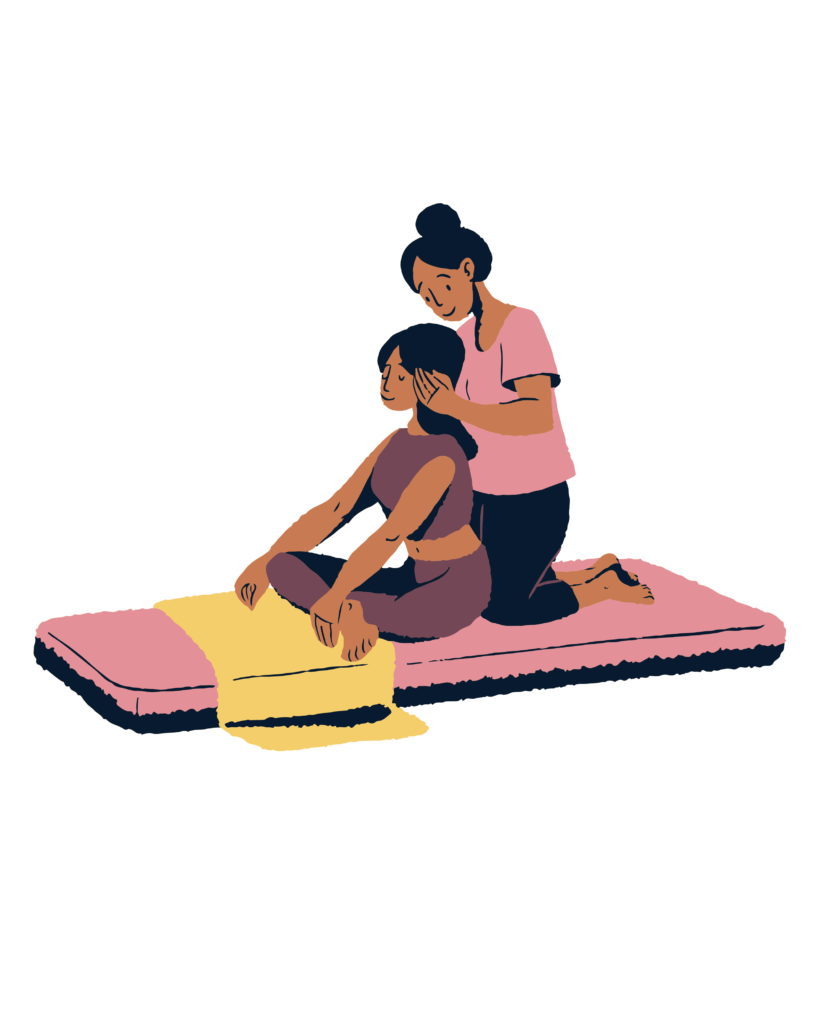
While mild neck pain may resolve within a few days, certain symptoms indicate the need for professional treatment.
You should consult a physiotherapist if you experience:
Neck pain lasting more than one week
Difficulty turning or bending the head
Pain radiating to the shoulders or arms
Frequent headaches associated with neck stiffness
Numbness or tingling in the arms
Neck pain following an injury
Early physiotherapy intervention can prevent the condition from progressing into chronic pain.
Neck pain is a common condition that can affect daily life, productivity, and overall well-being. It often develops due to poor posture, muscle strain, degenerative changes, or prolonged screen time.
Physiotherapy offers a safe and effective approach to managing neck pain by combining pain relief techniques, manual therapy, strengthening exercises, and posture correction strategies.
By addressing the root cause of the problem and improving overall spinal health, physiotherapy helps individuals recover faster and prevent future episodes of neck pain.
Seeking timely treatment and adopting healthy movement habits can make a significant difference in maintaining a pain-free and active lifestyle.
At Indian Spine & Pain Care Centre, a trusted physiotherapy clinic in Alpha 2, Greater Noida, patients receive specialised spine physiotherapy in Greater Noida for various cervical spine conditions. The clinic focuses on evidence-based cervical pain physiotherapy in Greater Noida, including treatment for cervical disc problems, cervical radiculopathy physiotherapy, cervical spondylosis physiotherapy, and cervical canal stenosis physiotherapy. Through targeted exercises, manual therapy, and posture correction techniques, physiotherapists also provide effective neck stiffness treatment in Greater Noida and cervical headache treatment through physiotherapy. With a strong emphasis on rehabilitation and long-term recovery, the clinic aims to help patients restore mobility, reduce pain, and return to their daily activities with better spinal health.
Frequently Asked Questions – Neck Pain Physiotherapy in Greater Noida?
1. Who is the best physiotherapist for neck pain near Pari Chowk, Greater Noida?
If you are searching for the best physiotherapist near Pari Chowk, Dr. Rahul Tyagi at Indian Spine & Pain Care Center (ISPC) is known for providing evidence-based physiotherapy treatment for neck pain and cervical spine conditions. The clinic offers specialized neck pain treatment in Greater Noida, focusing on posture correction, manual therapy, and targeted rehabilitation exercises to treat the root cause of cervical pain.
2. Which is the best physiotherapy clinic for neck pain in Greater Noida?
Indian Spine & Pain Care Centre (ISPC) is considered one of the best physiotherapy clinics in Greater Noida Sector Alpha 2 for spine and neck pain treatment. The clinic provides advanced spine physiotherapy in Greater Noida, helping patients recover from cervical pain, posture-related neck strain, and chronic spinal conditions using personalized rehabilitation programs.
3. Where can I get cervical pain physiotherapy in Greater Noida?
You can get specialized cervical pain physiotherapy in Greater Noida at Indian Spine & Pain Care Center, located in Alpha 2 near Pari Chowk. The clinic offers expert physiotherapy care under Dr. Rahul Tyagi, focusing on cervical spine rehabilitation, muscle strengthening, and improving neck mobility.
4. What physiotherapy treatments are available for cervical disc problems in Greater Noida?
At ISPC – Indian Spine & Pain Care Center, patients receive comprehensive cervical disc treatment in Greater Noida through physiotherapy. Treatment typically includes spinal mobilization, posture correction, cervical stabilization exercises, and manual therapy to reduce pain and restore spinal function.
5. Where can I find physiotherapy near Pari Chowk Greater Noida for spine problems?
If you are searching for physiotherapy near Pari Chowk Greater Noida, Indian Spine & Pain Care Center in Alpha 2 Greater Noida provides expert spine physiotherapy treatment for conditions such as cervical pain, disc problems, nerve compression, and posture-related neck disorders.
6. Who is the best physiotherapist for cervical pain in Greater Noida?
Many patients consider Dr. Rahul Tyagi at Indian Spine & Pain Care Center as one of the best physiotherapists for cervical pain in Greater Noida. His treatment approach focuses on identifying the root cause of pain and using evidence-based physiotherapy techniques for long-term recovery.